
Unique Uses for Oak Sleepers in Landscaping and Outdoor Design
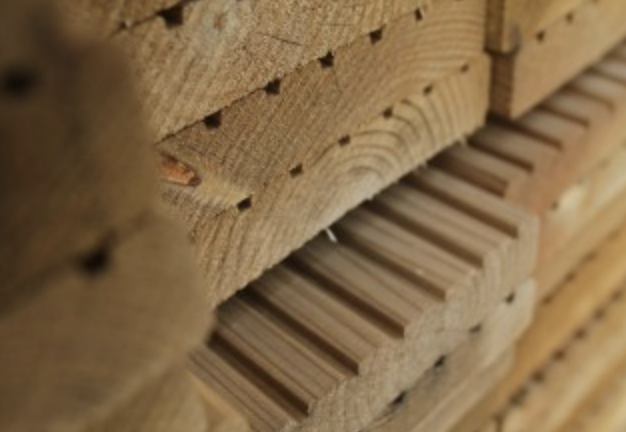
Oak sleepers have long been valued for their strength and natural beauty. Today, they are gaining popularity beyond traditional railway and construction uses. Landscapers, gardeners, and DIY enthusiasts are discovering how oak sleepers can transform both traditional and modern spaces with practical and creative applications. This post explores the many ways oak sleepers enhance landscaping projects, raised beds, and more, offering durable and attractive solutions.

Why Oak Sleepers Are Ideal for Outdoor Projects
Oak sleepers are thick, sturdy planks of oak wood originally designed for railway tracks. Their durability and resistance to weather make them perfect for outdoor use. Unlike softer woods, oak holds up well against moisture, pests, and decay, which means structures built with oak sleepers last longer with less maintenance.
For landscapers and gardeners, this means oak sleepers provide a reliable material that can withstand the elements while adding a natural, rustic look. Their size and weight also make them stable for building raised beds, retaining walls, steps, and seating areas.
Using Oak Sleepers for Raised Beds in Gardens
Raised beds are a popular feature in gardens, offering better soil control, improved drainage, and easier access for planting and maintenance. Oak sleepers are an excellent choice for raised beds because they:
Resist rot and insect damage without chemical treatment
Provide a natural, warm wood tone that complements garden plants
Are heavy enough to stay firmly in place, even on slopes
Can be cut and arranged in various shapes and sizes
For example, a classic English cottage garden can benefit from oak sleeper raised beds arranged in neat rectangles or squares. These beds can be filled with rich soil and planted with herbs, vegetables, or flowers. The sleepers’ natural aging process adds character over time, blending the beds into the garden’s overall aesthetic.
Oak Sleepers in Landscaping Projects
Spaces such as parks, playgrounds, and community gardens require materials that are both durable and visually appealing. Oak sleepers meet these needs by offering:
Long-lasting strength to withstand heavy foot traffic and weather
A natural look that fits well in green spaces without clashing with surroundings
Versatility for building benches, planters, steps, and retaining walls
Oak sleepers can be used to create raised beds that separate different planting zones or provide seating areas around trees. Their robust nature means they require minimal upkeep, which is ideal for public spaces with limited maintenance budgets.
For playgrounds, oak sleepers can form safe, natural borders around sandpits or climbing areas. Their smooth surfaces and rounded edges reduce injury risks while maintaining a natural feel.
Creative Landscaping Ideas Using Oak Sleepers
Beyond raised beds and seating, oak sleepers offer many creative landscaping possibilities:
Terracing sloped gardens: Oak sleepers can be stacked to create terraces that prevent soil erosion and add visual interest.
Path edging: Use sleepers to define garden paths, keeping gravel or mulch contained and creating clean lines.
Steps and staircases: Cut and arrange sleepers to build sturdy outdoor steps that blend with natural surroundings.
Water features: Incorporate oak sleepers as framing elements around ponds or fountains for a rustic look.
Each of these uses benefits from the sleepers’ strength and weather resistance. Their natural wood grain also adds texture and warmth to outdoor spaces, making them more inviting.
Practical Tips for Working with Oak Sleepers
When using oak sleepers in landscaping projects, keep these tips in mind:
Handling: Oak sleepers are heavy. Use proper lifting techniques or equipment to avoid injury.
Cutting: Use sharp saw blades designed for hardwood to achieve clean cuts.
Fixings: Use stainless steel or galvanized screws and bolts to prevent rust and ensure longevity.
Treatment: Although oak is naturally durable, applying a wood preservative can extend its life, especially in very wet conditions.
Design: Plan your layout carefully, considering sleeper dimensions and how they fit together for stability.
Sustainability and Environmental Benefits
Choosing oak sleepers also supports sustainability. Many sleepers come from responsibly managed forests or are reclaimed from old railway lines, reducing waste. Using reclaimed oak sleepers gives new life to wood that might otherwise be discarded, lowering the environmental impact of landscaping projects.
Final Thoughts on Oak Sleepers
Oak sleepers offer a strong, attractive, and practical material for a wide range of outdoor projects. Whether building raised beds in a traditional garden or creating seating and borders, their durability and natural beauty make them a smart choice. Landscapers and gardeners can use oak sleepers to build structures that last for years while enhancing the visual appeal of any space.


Comments